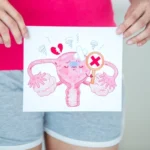

Fecal incontinence is often called bowel incontinence too. It is a condition many females face. They often feel too embarrassed to talk about it openly. This condition is the involuntary passage of stool. It is a loss of control over bowel movements. You pass gas or liquid or solid stool unintentionally. This problem affects daily life deeply. It impacts confidence and social life badly.
Understanding what is Fecal incontinence is the first step. It is a medical problem. It is common, especially among women. This is especially true after childbirth. Best Obstetrics in Delhi see this problem often. They can offer real help. Effective fecal incontinence treatment options exist. We will discuss the main causes of fecal incontinence and review modern treatment plans
Why Bowel Control Fails?
Bowel control is a complex process. It involves several body parts working together. If any part fails, incontinence can occur. The main mechanisms are muscle weakness. Nerve damage is also a major factor. Loss of rectal capacity is a problem too.
1. Muscle Injury: Damage to the Anal Sphincter
The anal sphincter is a ring of muscle. It keeps the anus closed tightly. It controls when stool can pass. Damage to this muscle is a key cause.
- Obstetric Trauma: This is the most common cause in women. Difficult vaginal delivery can injure the sphincter muscle. Forceps delivery is a risk factor. Large babies increase the risk significantly. An episiotomy can also lead to injury. This specific damage is a major Fecal incontinence causes. It happens right after birth sometimes. It can also appear years later.
- Prior Surgery: Surgery near the anus can cause damage. Hemorrhoid surgery is one example. Fistula repair surgery can also be a cause.
- Trauma: Accidental injury to the pelvis or anus is rare. It can cause muscle tearing.
2. Nerve Damage: Controlling the Muscles
Nerves control the anal sphincter muscles. They also sense when stool is ready to pass. Damage to these nerves causes major problems.
- Childbirth: Nerves can stretch during vaginal delivery. This stretching damages the nerves. They do not work as well anymore. This is called pudendal nerve neuropathy.
- Diabetes: Long-term high blood sugar damages nerves. This is a common form of neuropathy.
- Spinal Cord Injury: Any injury to the spine affects nerve signals. Messages to and from the bowel stop working.
- Multiple Sclerosis or Stroke: These neurological diseases also disrupt nerve function.
3. Reduced Rectal Storage and Elasticity
The rectum normally stretches. It holds the stool until you are ready. If the rectum cannot stretch, problems occur.
- Inflammatory Bowel Disease (IBD): Conditions like Crohn’s disease cause scarring. The rectum becomes stiff. It holds much less volume.
- Radiation Treatment: Pelvic radiation therapy damages the rectal lining. It reduces the ability to hold stool.
Fecal Incontinence Treatment in Delhi
The treatment plan depends on the specific cause. It depends on the severity of the problem. We always start with the simplest methods first.
1. Simple Lifestyle and Dietary Changes
This is the first line of defense. It helps manage the problem well
- Dietary Adjustments: Identify trigger foods. These often include caffeine or dairy. Avoid foods that cause diarrhea. Increase fiber intake to firm up stool.
- Bowel Training: Create a regular schedule for bowel movements. Try to use the toilet after meals
- Medication: Anti-diarrheal drugs can help firm the stool. Bulk-forming laxatives manage constipation
2. Muscle and Nerve Therapy.
These methods strengthen the affected area and improve control slowly
- Pelvic Floor Exercises (Kegels): These exercises strengthen the pelvic floor muscles. They improve sphincter function over time. This is often taught by a specialized physiotherapist. This is a key part of Obstetrics in Rohini recovery
- Biofeedback: This uses special equipment. It helps you find and use the correct muscles. You see your muscle activity on a screen
3. Advanced Interventions
If the simpler methods fail, we move to advanced options. These options include minor or major procedures.
- Injectable Bulking Agents: These are injected into the anal canal walls. They help thicken the tissue there. This narrows the opening slightly. It improves sphincter effectiveness.
- Sacral Nerve Modulation (SNM): A small device is implanted. It sends mild electrical pulses to the nerves. These nerves control the bowel. This regulates the bowel and sphincter function. It is highly effective for some patients.
- Fecal Incontinence Surgery: This is reserved for severe muscle damage. The surgeon repairs the damaged sphincter. This procedure is called sphincteroplasty. The torn ends of the muscle are brought together. This restores muscle tension. Another option is artificial sphincter insertion.
Fecal incontinence is a very treatable condition. You do not have to live with this embarrassment. Seeking help from a specialist is essential. Especially for women, an expert in Obstetrics in Rohini is ideal. They understand the pelvic floor very well
For compassionate and expert care consider Manasvi Healthcare. We specialize in Obstetrics in Delhi. Our team offer comprehensive diagnostic testing. We can assess the Fecal incontinence causes and design a successful treatment plan just for you
FAQs.
Q1: Is Fecal incontinence more common in women than in men?
Yes, Fecal incontinence is much more common in women. Childbirth trauma is the main reason for this difference. The risk increases with age too. Post-menopausal women have higher risk.
Q2: Is Fecal incontinence always caused by a tear from childbirth?
No, not always. Childbirth injury is the leading Causes of Fecal incontinence in younger women. However, nerve damage from diabetes is common. Chronic diarrhea is a frequent cause. Neurological diseases can also be the reason.
Q3: How long does the Fecal incontinence treatment take to work?
It varies greatly by the treatment. Lifestyle changes show results in weeks. Pelvic floor exercises need months of commitment. Biofeedback often takes a few months. Surgical recovery requires several months. Patience is important always.
Q4: When should I talk to my doctor about mild leakage?
You should talk to a doctor immediately. Do not wait for the problem to get worse. Even mild, occasional leakage needs assessment. Early diagnosis leads to easier and better treatment. An expert in Obstetrics in Delhi can help