
C-9/29, B4 Rd, Pocket 9, Sector 15C, Rohini, Delhi, 110089
C-9/29, B4 Rd, Pocket 9, Sector 15C, Rohini, Delhi, 110089
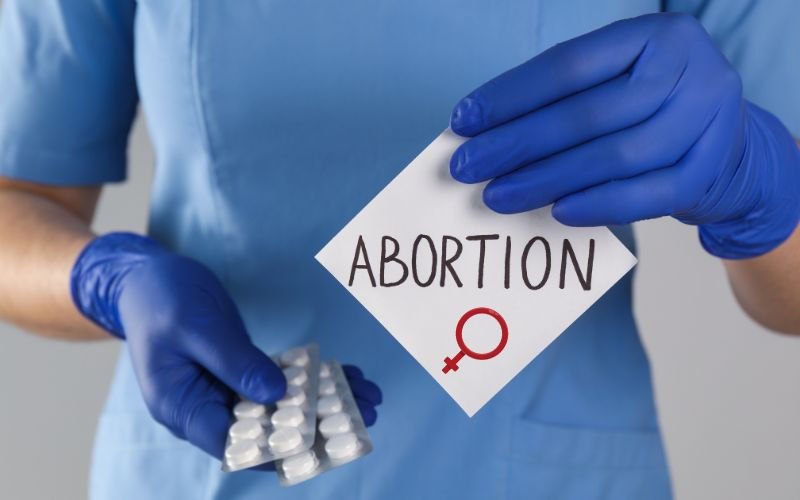
An abortion is a medical procedure to terminate or end the pregnancy, which is carried out by the removal or expulsion of the embryo of the foetus. It can either spontaneously terminate a pregnancy, that is, miscarriage, or induced abortion. Induced abortion is carried out for various reasons, like preventing congenital diseases, saving a mother’s life or health, or other personal reasons. The decision to undergo an abortion can be difficult and traumatic as a woman has to consider medical, personal and social factors. You can consult a gynaecologist in Rohini Delhi to know more about the procedure, legal laws and women’s rights related to abortion, the process of carrying it out.
Abortion has been made legal in India since the introduction of the Medical Termination of Pregnancy (MTP) Act in 1971. The act permits abortion under the following conditions, such as risk to mothers’ life, fetus abnormalities, or rape victims.
In 2020 , the Union cabinet amended the Medical Termination of Pregnancy (MTP) Act, 1971, to allow women to seek abortion as a part of reproductive rights and gender justice. The amendment has also raised the termination of pregnancy from 20 weeks to 24 weeks, including the rape victims, differently abled women, and minorities.
Conditions
In this stage, the abortion is typically performed when there is risk to mothers physical and mental health, the fetus is having serious disabilities, or in case of a miscarriage.
Approval
Only one registered practitioner, approval is required to carry out the procedure. The medical practitioner must hold a license, which enables them to carry out their practices in India.
Procedure
The process typically involves removing the embryo or fetus using medical or surgical methods, which is performed in the supervision of an experienced gynaecologist.
Conditions
This type of abortion is performed when there is a life threatening risk to the mother , or some genetic disorder or disabilities to the foetus.
Approval
This requires approval from two registered and licensed medical practitioners who can carry out their practise in India.
Procedure
It is a complex procedure that is generally carried out in government institution, and the method involved is surgical procedures, particularly dilation and evacuation)
Conditions
This is performed under exceptional cases such as, rape victims, minors, women who are differently abled, or some serious physical disabilities is detected.
Approval
This requires approval from a medical board, at a government institution.
Procedure
To carry out the process, the woman is referred to some government institution by the medical board as this process is risky.
Types of abortion depend on the methods or procedures that are carried out to terminate pregnancy. The different types are: :
Medical abortion is a non-surgical procedure that is carried out to terminate pregnancy, particularly during the early stages, that is up to 12 weeks. The process is simple and it requires the woman to take two medicines, mifepristone and misoprostol. It is advised to take misoprostol 24-48 hours after taking mifepristone.
The mifepristone helps to block or eliminate the hormones that are required for pregnancy, while misoprostol helps the uterus to contract. The process is usually safe and does not involve anaesthesia. However, a woman might experience side-effects after the consumption of medicines, such as, painful cramps, nausea, vomiting, fatigue, and heavy bleeding.
Vacuum aspiration is a surgical process to terminate the pregnancy, which is performed in the first trimester up to 12 weeks. The process is quick and it involves dilating the cervix and using a suction device to remove the foetus or embryo from the uterus.
You cannot adopt for vacuum aspiration in the second trimester as it might increase the complications. The side-effects that a woman experiences after undergoing this procedure are fatigue, loss of appetite, dizziness, mild discomfort in the stomach,
This is also a surgical procedure that is performed typically after 14 weeks of pregnancy, or in the second trimester. The procedure involves dilating your cervix so that it is not injured or harmed during the procedure, then they use medical devices to remove the pregnancy, tissues or fetus from the uterus. This process is carried out under general anaesthesia, and is usually safe. A woman might experience dizziness, fatigue, heavy bleeding, nausea after the surgery.
To legally terminate our pregnancy in India, you must be familiar with the medical termination of pregnancy (MTP) act of 1971.
The following points must be followed while terminating pregnancy:
Abortion in India is not legal if it is performed to determine the sex of the fetus. The pre-conception and pre-natal diagnostic techniques, under the Prohibition of Sex Selection Act 1994, strictly prohibits sex-selective abortion or any methods that are used to determine the sex of the fetus before birth.

It is required that the woman should be given proper rest and care post the abortion process, as it significantly impacts the mental and physical health of a woman.
Read the common risks related with Abortion
The precautions that should be taken are as follows:
It can be a challenging and traumatic experience for women which is followed by psychological distress. Therefore, it is necessary to ensure safety and compassionate care to carry out the procedure. You can consult a top gynae in Rohini Delhi, about the laws and regulations for carrying out abortion and the safest method to terminate your pregnancy.