Most women have never heard the term struma ovarii until it appears in a scan report. It sounds complex, even alarming. And honestly, it can be confusing at first glance. A condition involving the ovary but linked to the thyroid is not something most people expect. This lack of familiarity often causes anxiety, delays in care, and unnecessary fear.
The reality is more balanced than it sounds. Struma ovarii is rare, yes. But in most cases it is treatable, manageable, and not life-threatening. What matters is timely diagnosis and the right gynaecological guidance, especially from an experienced gynaecology specialist in Delhi.
What is Struma Ovarii?
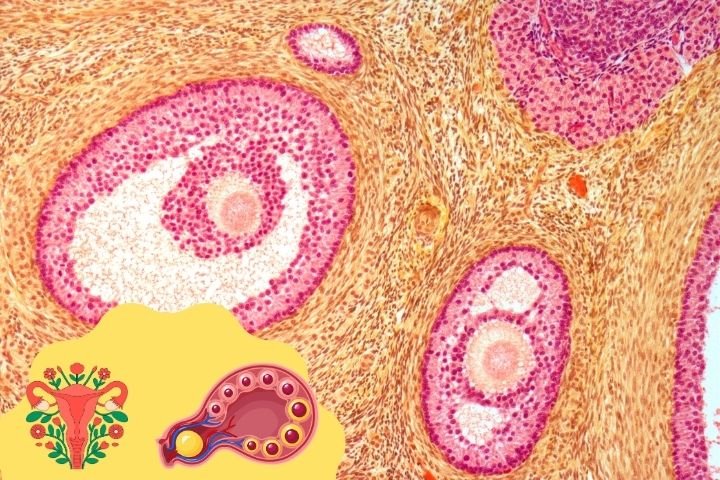
Struma ovarii is a type of ovarian tumor. It belongs to a broader category called ovarian teratomas. What sets it apart is that the tumor contains thyroid tissue sometimes in large amounts
This does not mean the thyroid gland itself has a problem. The thyroid tissue develops inside the ovary, which is unusual but medically documented. For a tumor to be called struma ovarii, more than half of it must be made up of thyroid tissue.
Most cases are benign. That is an important fact often missed in online discussions. Malignant struma ovarii exists, but it is uncommon.
The condition is mostly seen in women between 40 and 60 years of age, though younger women can also be affected. Many patients discover it accidentally during imaging done for pelvic pain or routine checkups.
Why Struma Ovarii Symptoms Often Go Unnoticed
One reason struma ovarii is tricky is that symptoms are not specific. There is no single sign that clearly points to it.
Common complaints include
- Dull lower abdominal pain
- Pelvic heaviness
- Bloating that does not improve
- Menstrual irregularities
- A mass detected during ultrasound
In some cases, the thyroid tissue inside the ovary becomes hormonally active. This can lead to symptoms of hyperthyroidism such as weight loss, fast heartbeat, restlessness, sweating, or sleep issues. When this happens, women often consult a physician or endocrinologist, not realizing the ovary is the source.
This overlap delays diagnosis. It’s not negligence. It’s the nature of the condition.
How a Gynaecologist in Delhi Reaches the Diagnosis?
There is no single test that confirms struma ovarii immediately. Diagnosis is usually a process.
- It begins with a detailed clinical evaluation. A gynaecologist looks at symptoms, menstrual history, age, and any thyroid-related complaints. Imaging comes next
- Ultrasound may show a complex ovarian mass. MRI helps in understanding the structure better, but even advanced imaging cannot confirm struma ovarii with certainty
- Blood tests are useful. Thyroid function tests may be abnormal in hormonally active tumors. Tumor markers are checked mainly to rule out other ovarian cancers.
- The final diagnosis is confirmed only after surgical removal and histopathological examination. This step is crucial. Guesswork has no place here.
Is Struma Ovarii Cancerous?
In more than 90 percent of cases, struma ovarii is benign. Malignant transformation occurs in a small percentage. Even then, it usually progresses slowly.
Treatment of Struma Ovarii in Delhi by Gynaecologists
Treatment depends on several individual factors. There is no one-size approach.
Surgery of struma ovarii is the primary treatment. The extent of surgery depends on age, fertility goals, tumor size, and whether malignancy is suspected.
- In younger women, fertility-sparing surgery is often possible
- In women who have completed their families, removal of the affected ovary may be advised
- In rare malignant cases, a more comprehensive surgical approach is required
Many obs and gynae clinic in Delhi now use laparoscopic surgery. It is less invasive, recovery is quicker and hospital stay is shorter. That matters for both physical and emotional healing. If the tumor was causing thyroid hormone imbalance, hormone levels usually normalize after surgery. Additional thyroid treatment is needed only in select cases.
Even when the tumor is benign, follow-up is essential. Periodic imaging and blood tests help ensure there is no recurrence For malignant cases follow-up is stricter and may include radioactive iodine therapy in coordination with nuclear medicine specialists.
Life After Struma Ovarii Treatment
Most women recover well. Pain reduces. Bloating settles. Menstrual cycles often become regular again. Fertility outcomes are generally positive when conservative surgery is done. Many women go on to conceive naturally. Emotional relief is often significant once the diagnosis is explained clearly.
Good Gynaecologist in Rohini
Struma ovarii is rare. That means experience counts. A gynaecologist who understands rare ovarian tumors can avoid unnecessary aggressive procedures and provide balanced care.
Struma ovarii sounds intimidating, but it does not have to define your health journey. With early evaluation and expert gynaecological care, outcomes are usually very good. What matters is not ignoring persistent symptoms and not relying on assumptions.
Manasvi Healthcare offers experienced gynaecological evaluation in Rohini, advanced surgical care, and patient-focused treatment planning in Delhi. Book a consultation and get clarity, not confusion. Your health deserves informed attention, not delay.